Occupy the City
K-poster wall
Vernissage :
28/05/2026, 18h
Instagram :
K-poster
Occupy the city
Amorcé en 2020 par Occupy the Cuty (Ju-Hyun Kang), Systems of Poster Series est un travail de recherche analysant les affiches en tant que système graphique. Rapidement, la nécessité de situer et d’étudier les environnements urbains propres à chaque pays a émergé. Le premier constat a été qu’un système graphique basé sur des affiches a du mal à exister s’il n’a pas de dispositif d’affichage dédié. En effet même si une majorité des citoyens est quotidiennement exposée à ce type de médium, une régularité dans la série est indispensable pour que le système soit identifiable et produise un impact.
Alors qu’en est-il alors des villes où ces infrastructures ont disparu ? Le cas de Séoul est typique. Depuis les années 2000, la ville a vu peu à peu disparaître les mobiliers urbains et les murs destinés aux affiches, un phénomène qui s’est fortement accéléré avec la généralisation des smartphones. À partir des années 2010, et d’autant plus aujourd’hui, il est devenu quasiment impossible de voir dans ses rues un espace d’affichage conventionnel. À l’exception de quelques lieux très limités ou symboliques, les espaces autrefois occupés par les affiches ont été remplacés par de vastes dispositifs numériques (media walls). Ceux qui recouvrent les façades des bâtiments autour de la station Samseong, puis ceux qui se sont étendus à Gwanghwamun, sont désormais les supports de la culture visuelle de la métropole. En parallèle, le piéton, déambulant dans la rue les yeux rivés sur son smartphone est devenu le modèle de comportement dominant. Dans un tel contexte, l’affiche imprimée n’est plus efficiente dans l’espace physique et commun de la rue : elle n’est mise en œuvre qu’individuellement au sein de l’écran numérique des smartphones.
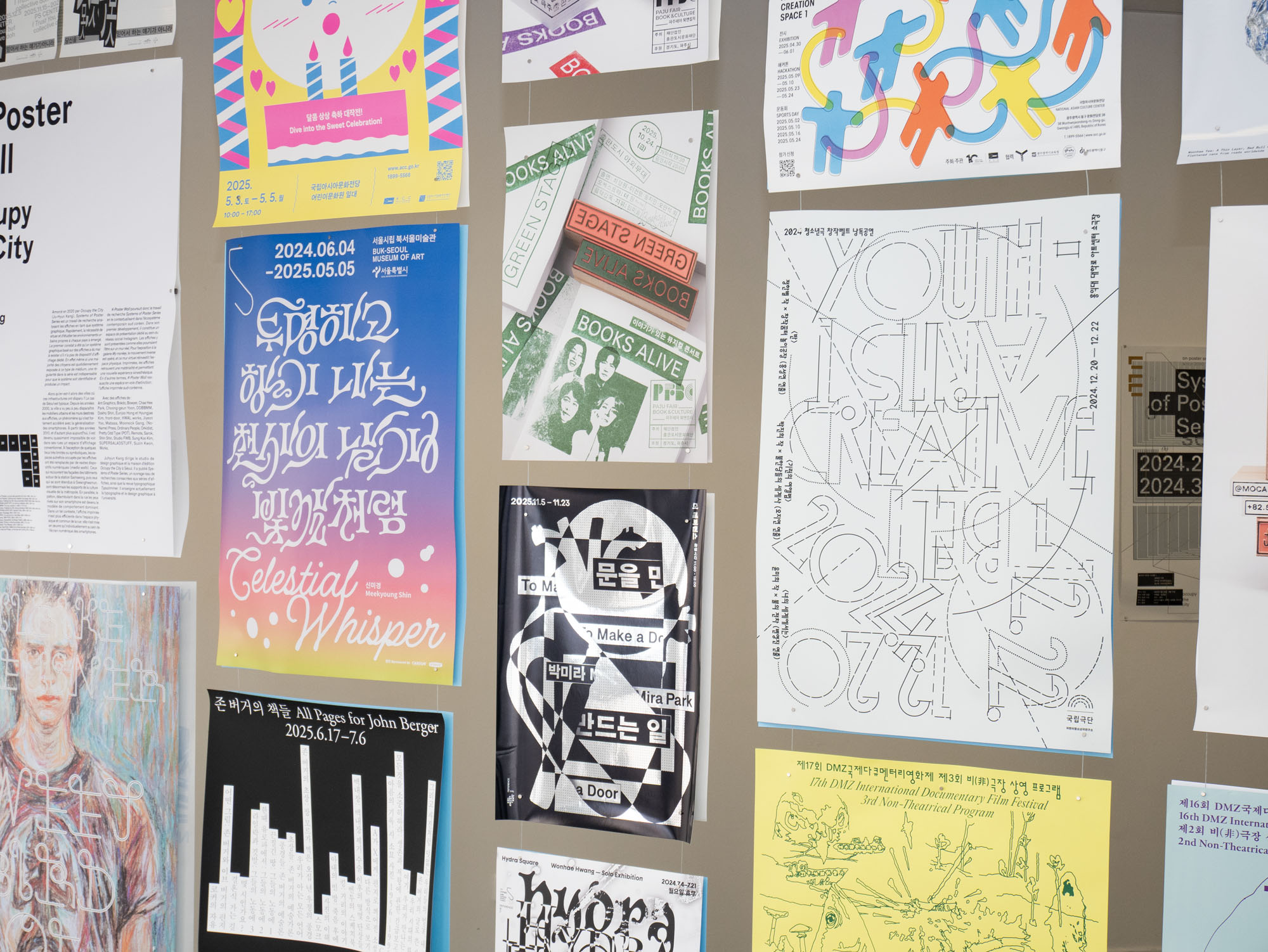
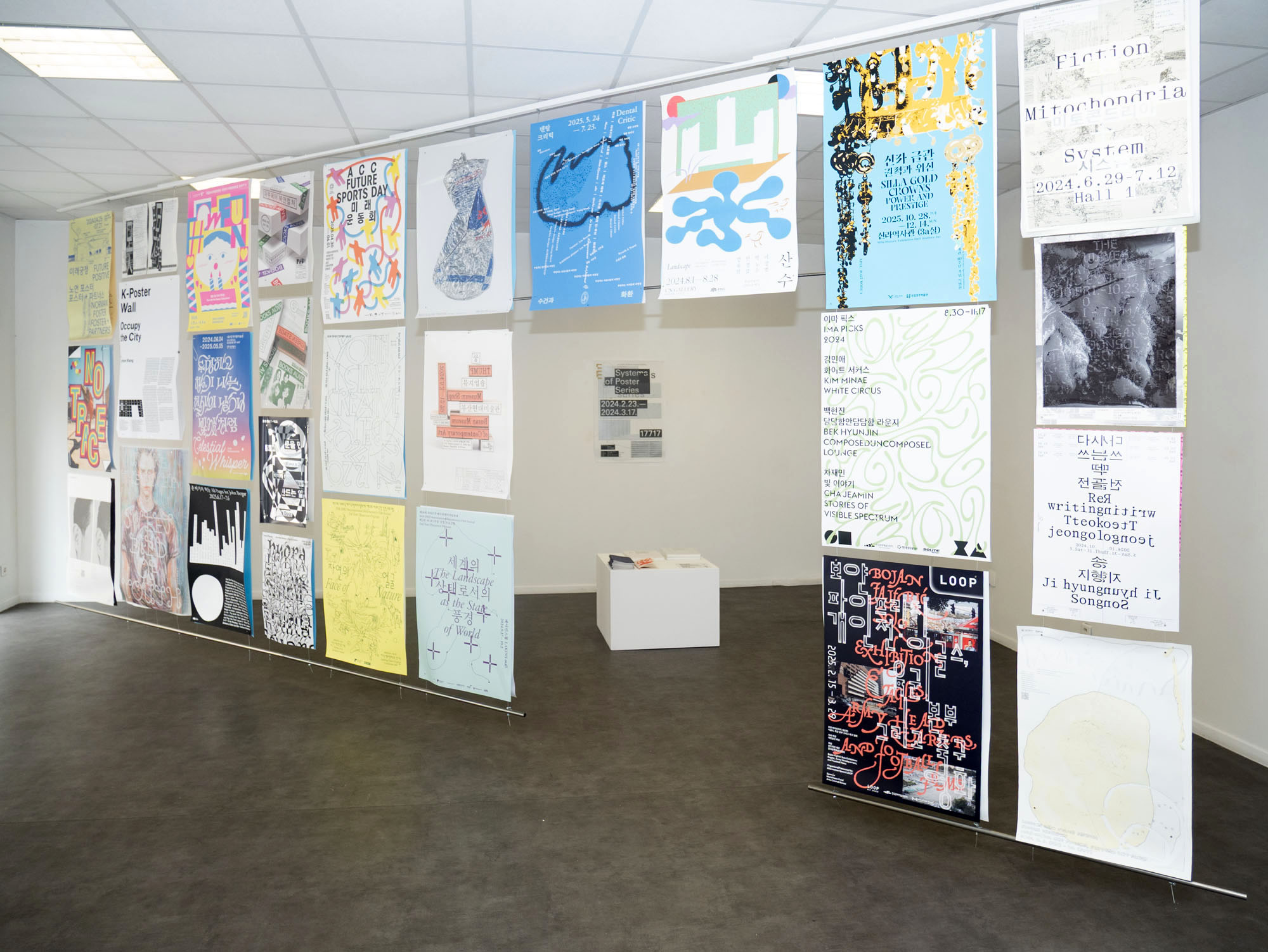
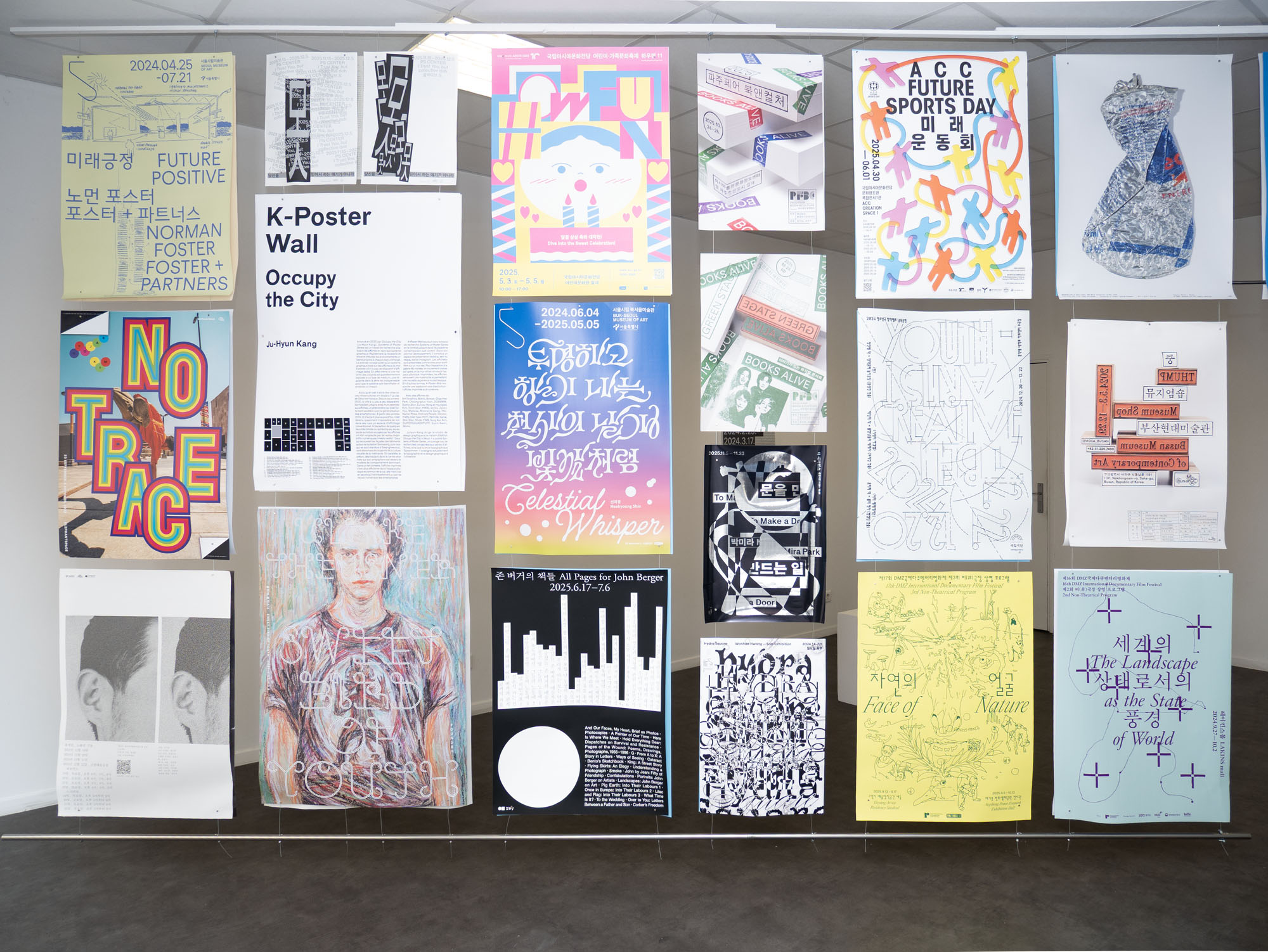
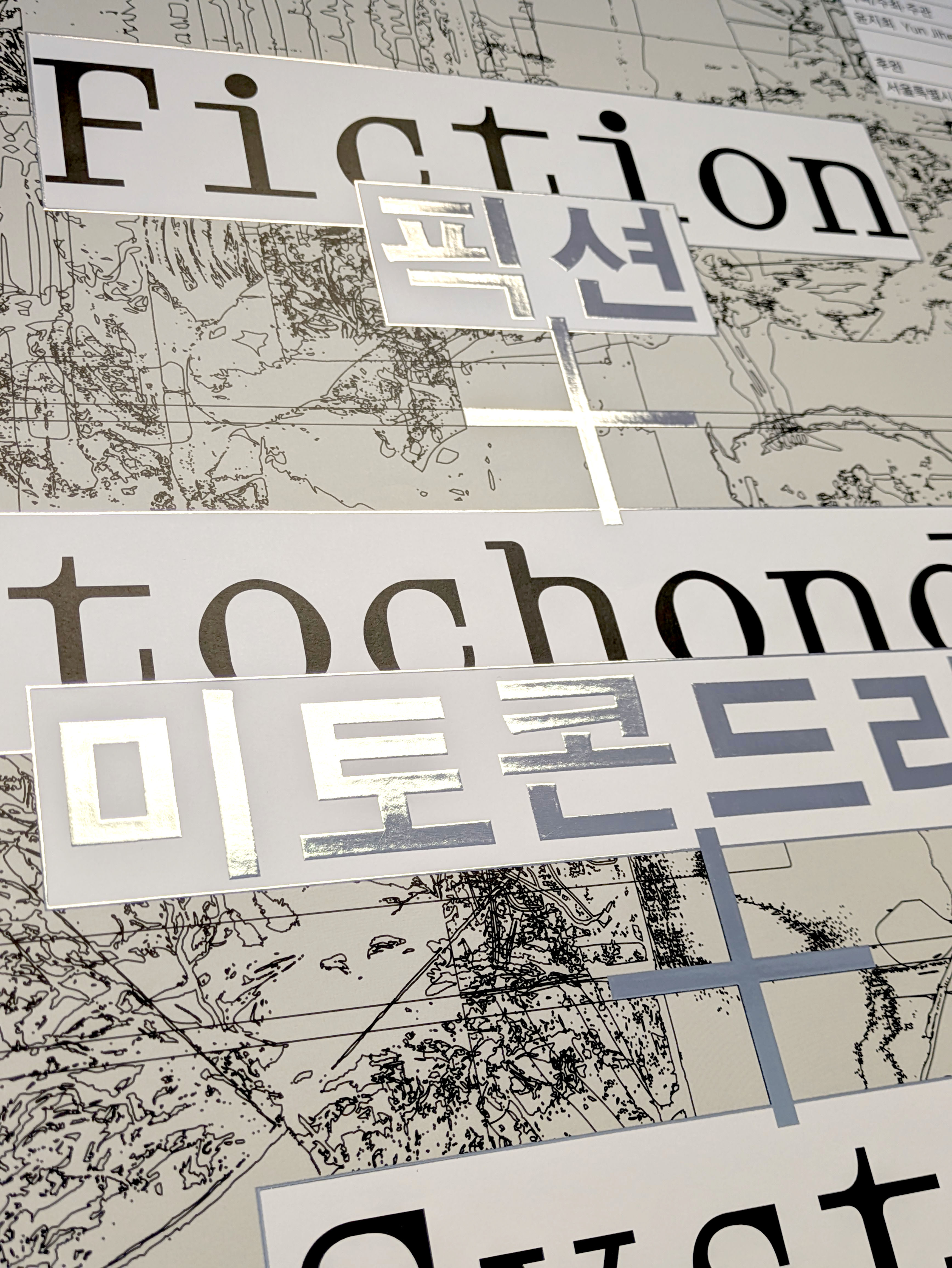
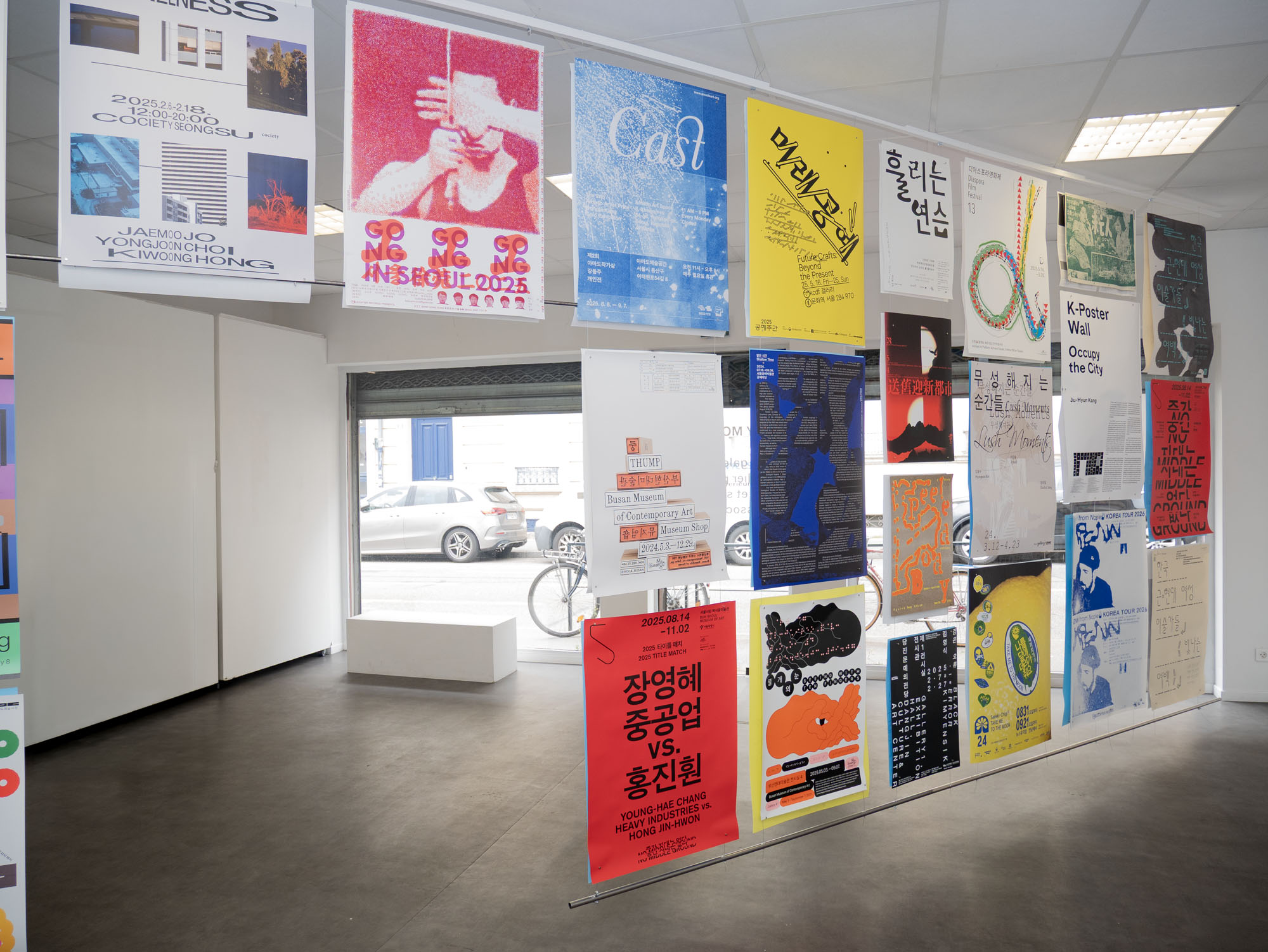
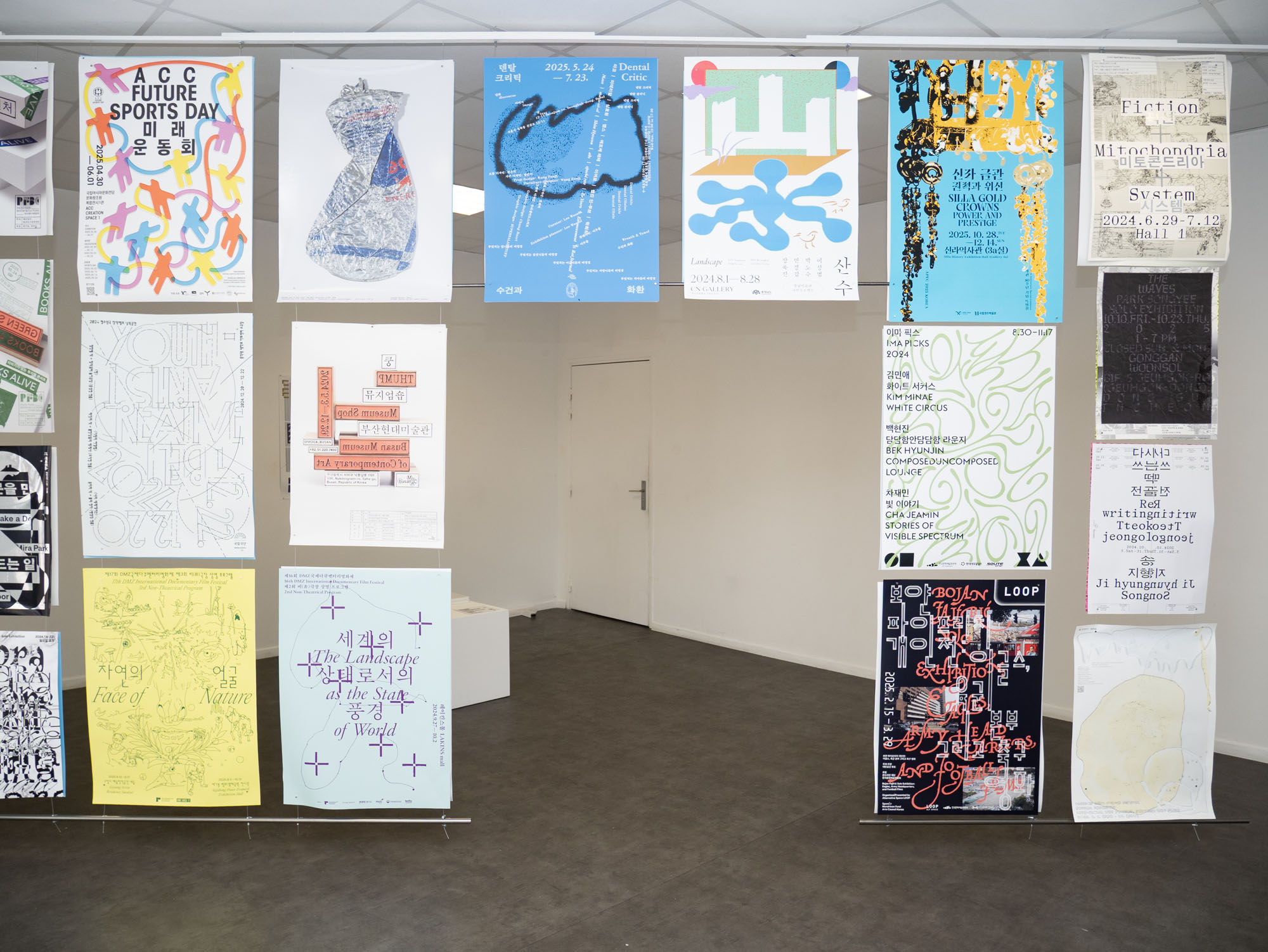
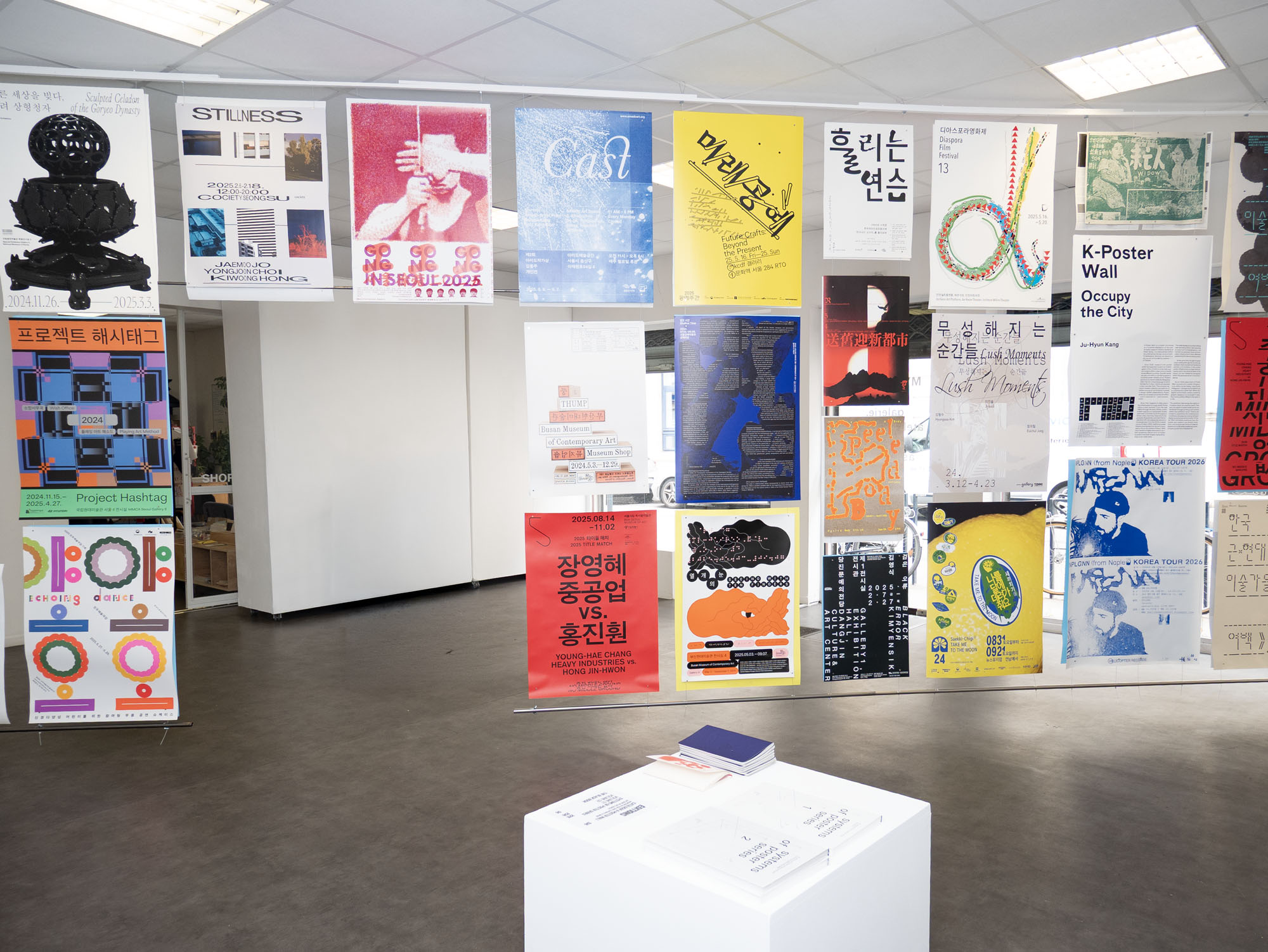
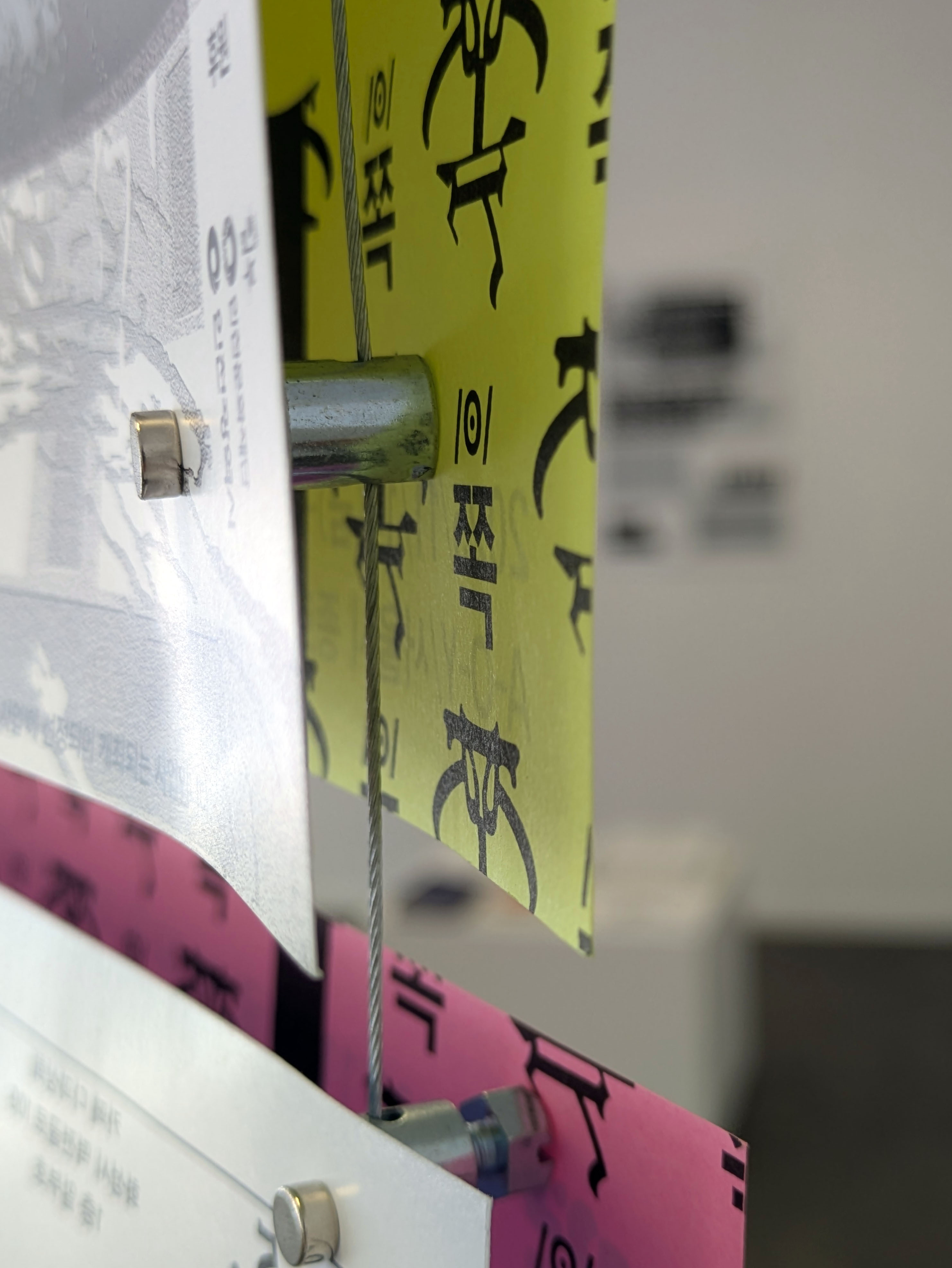
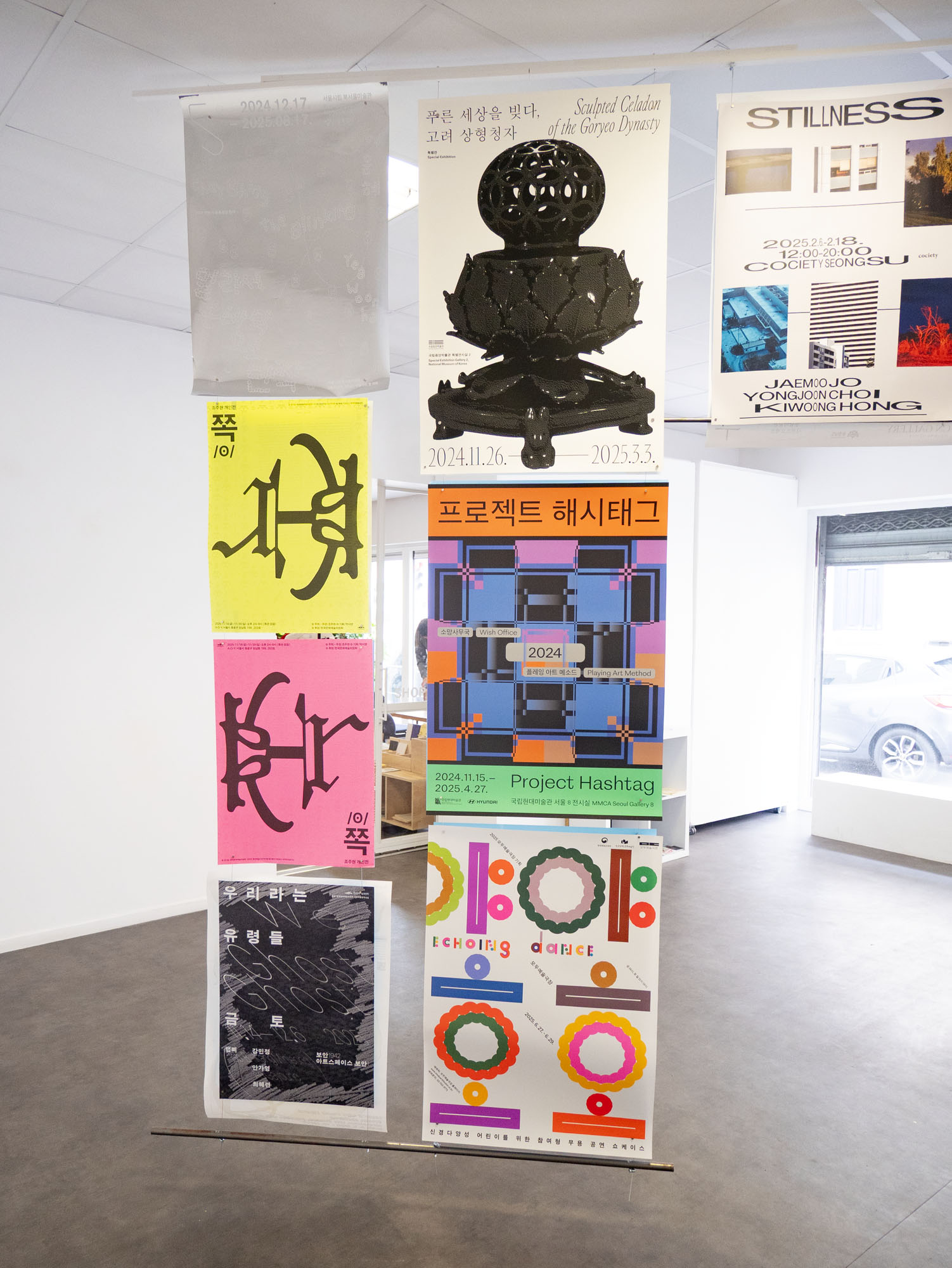
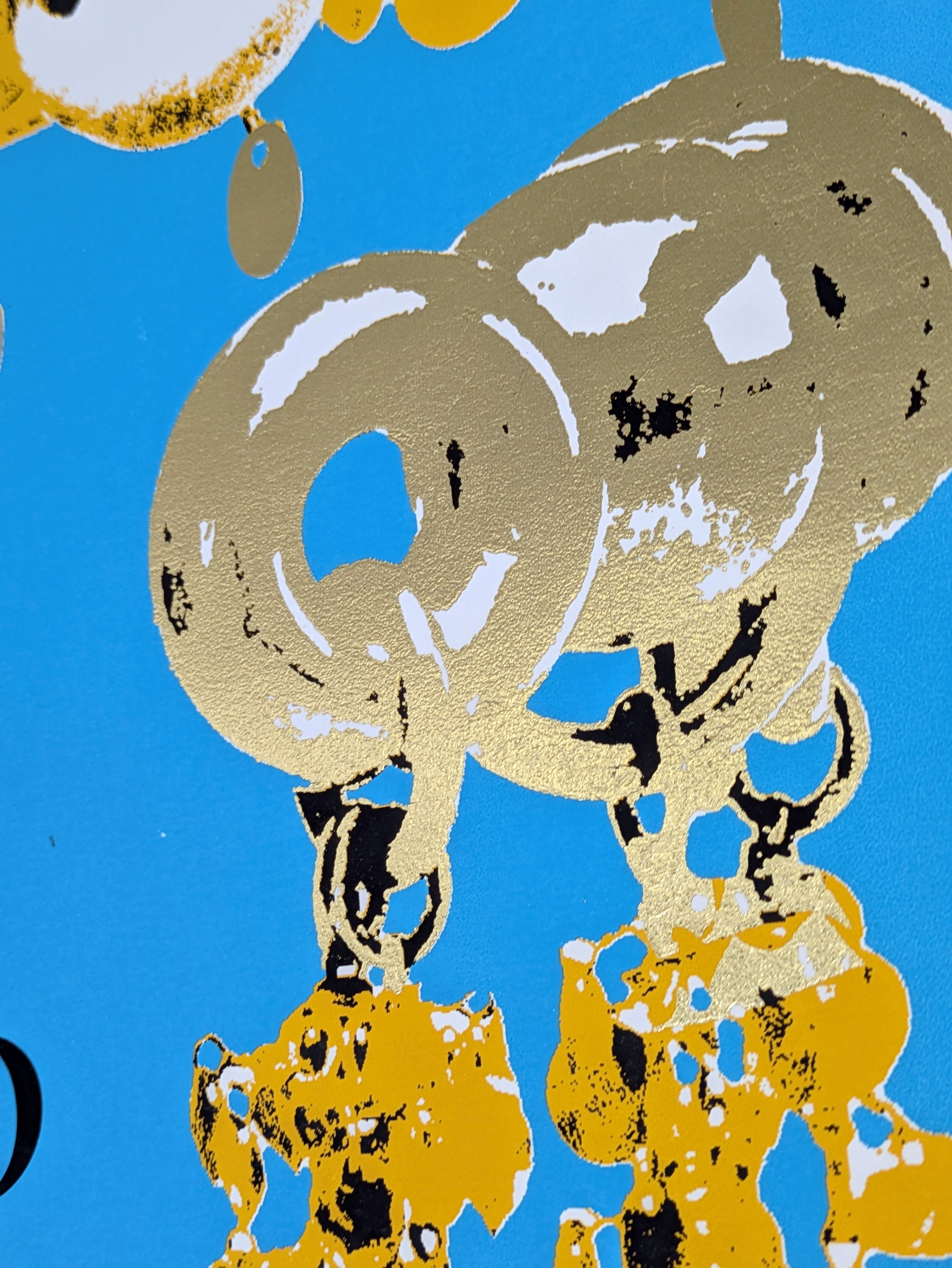
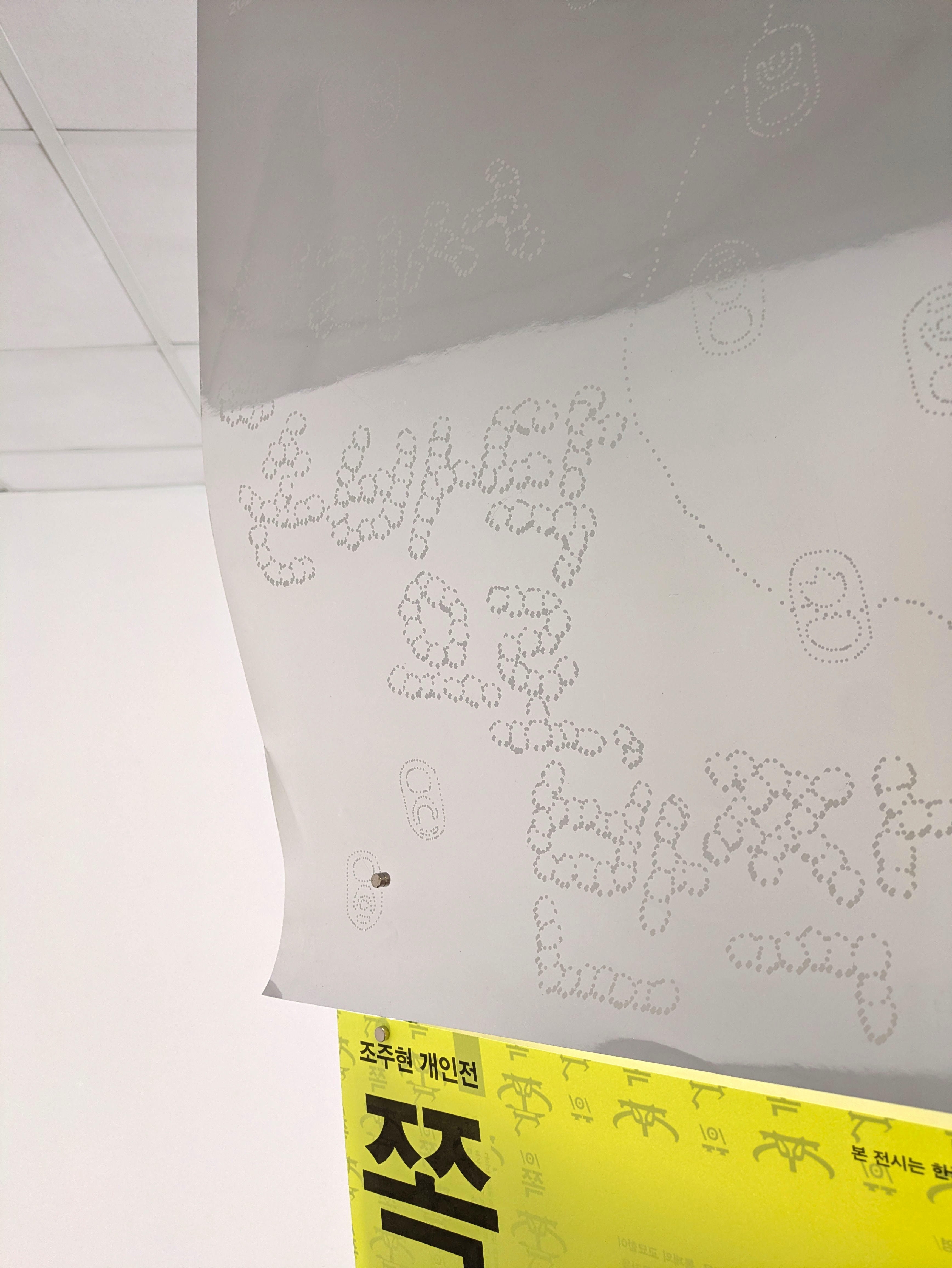
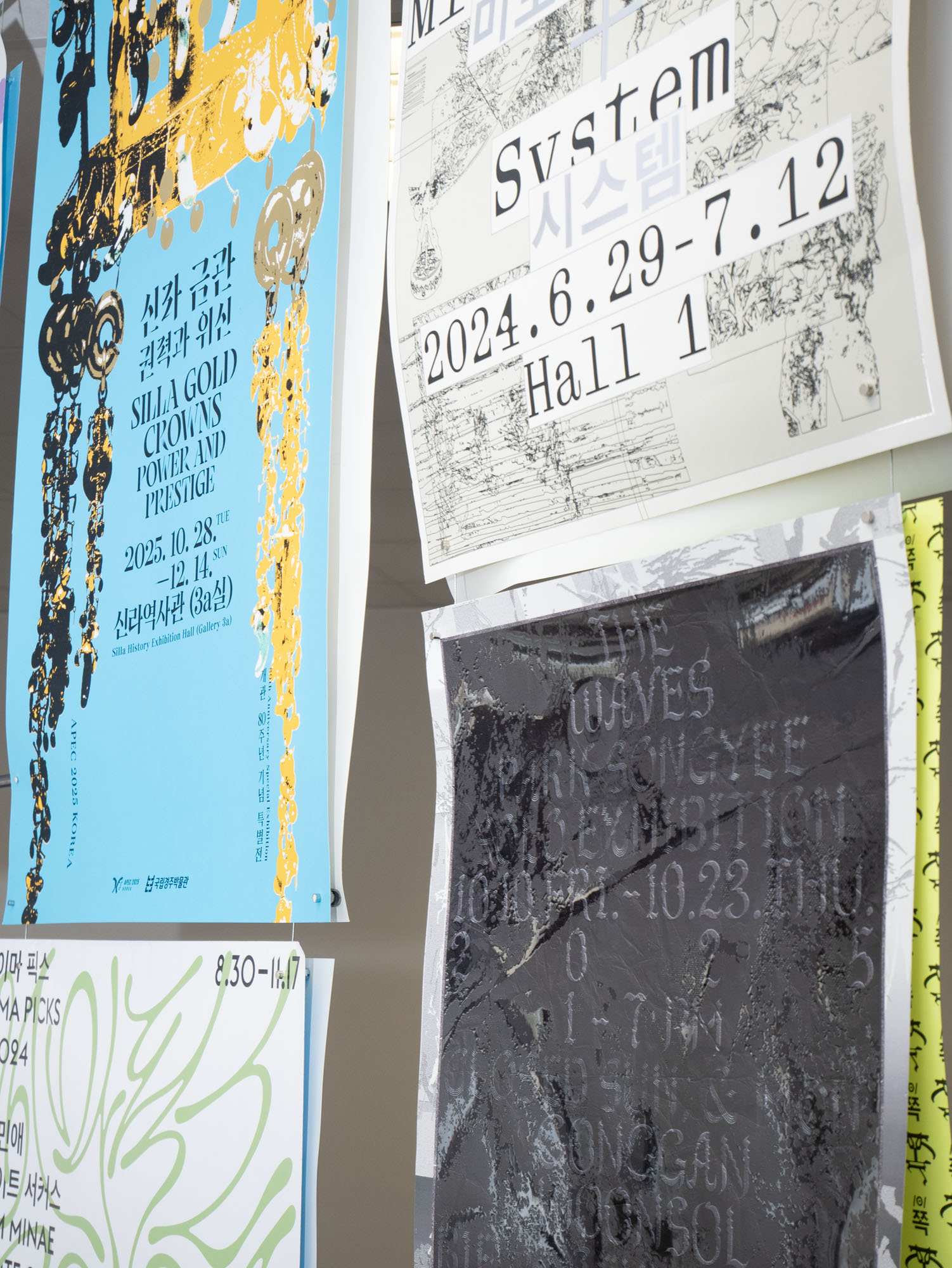
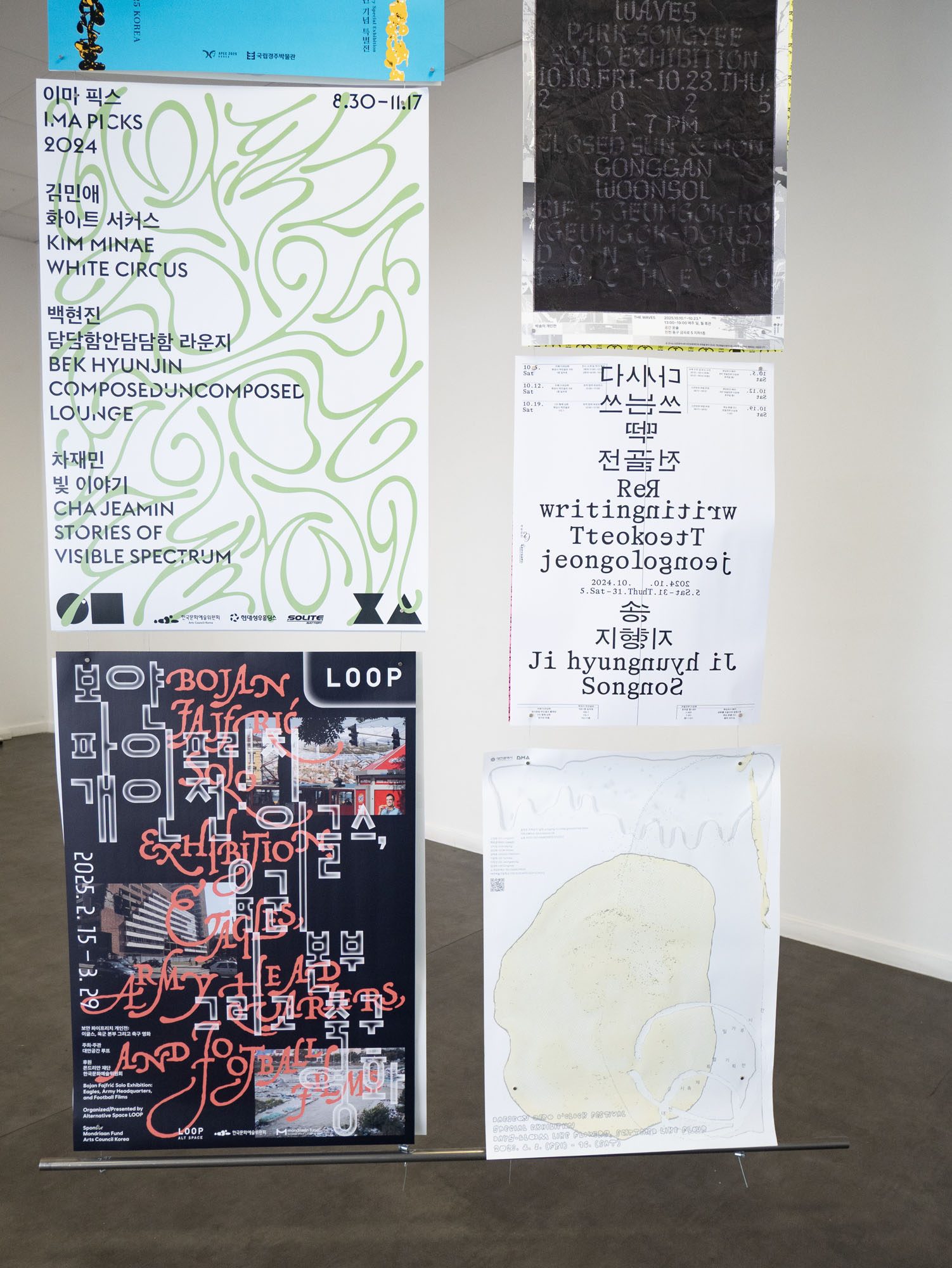
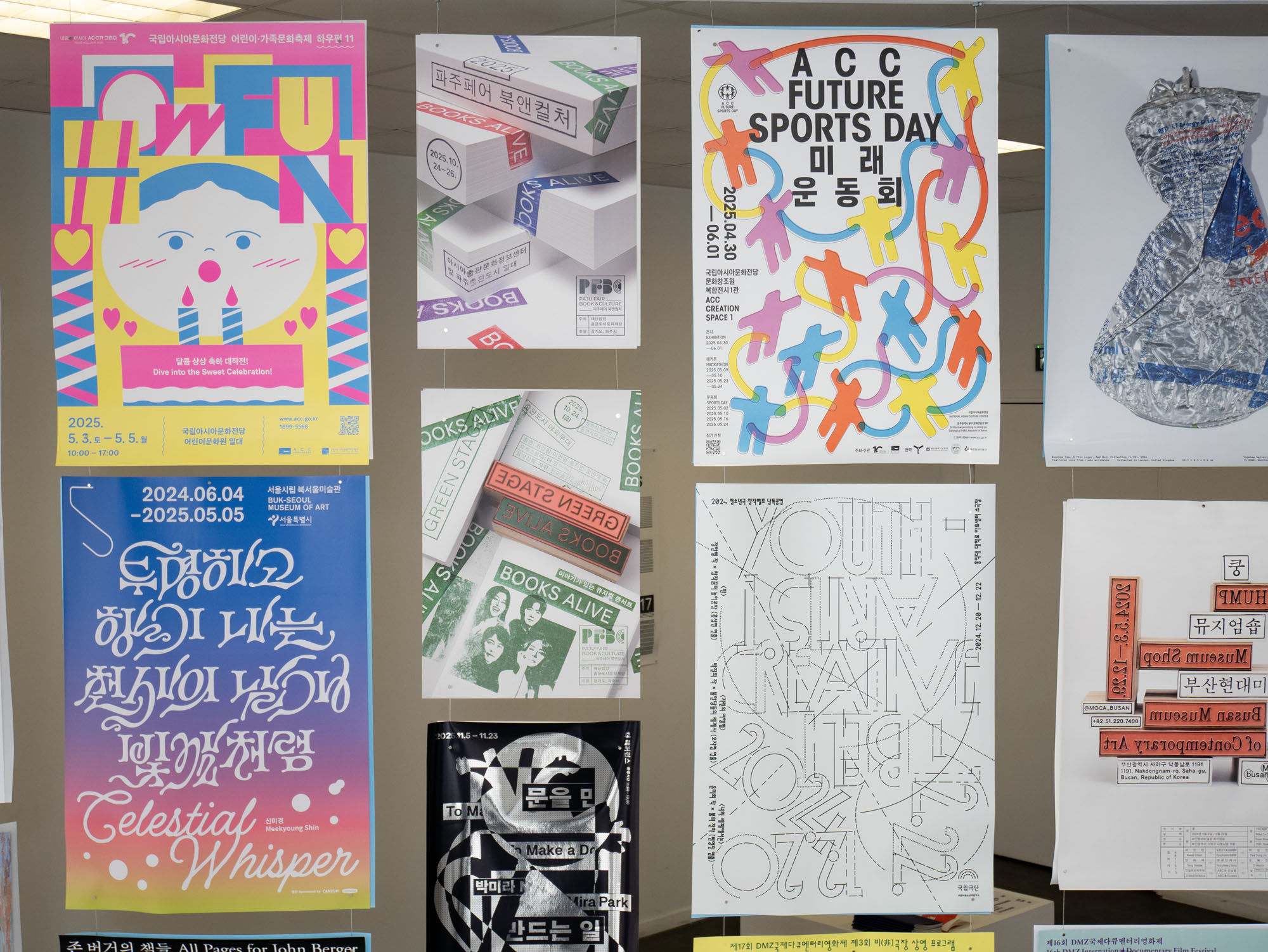
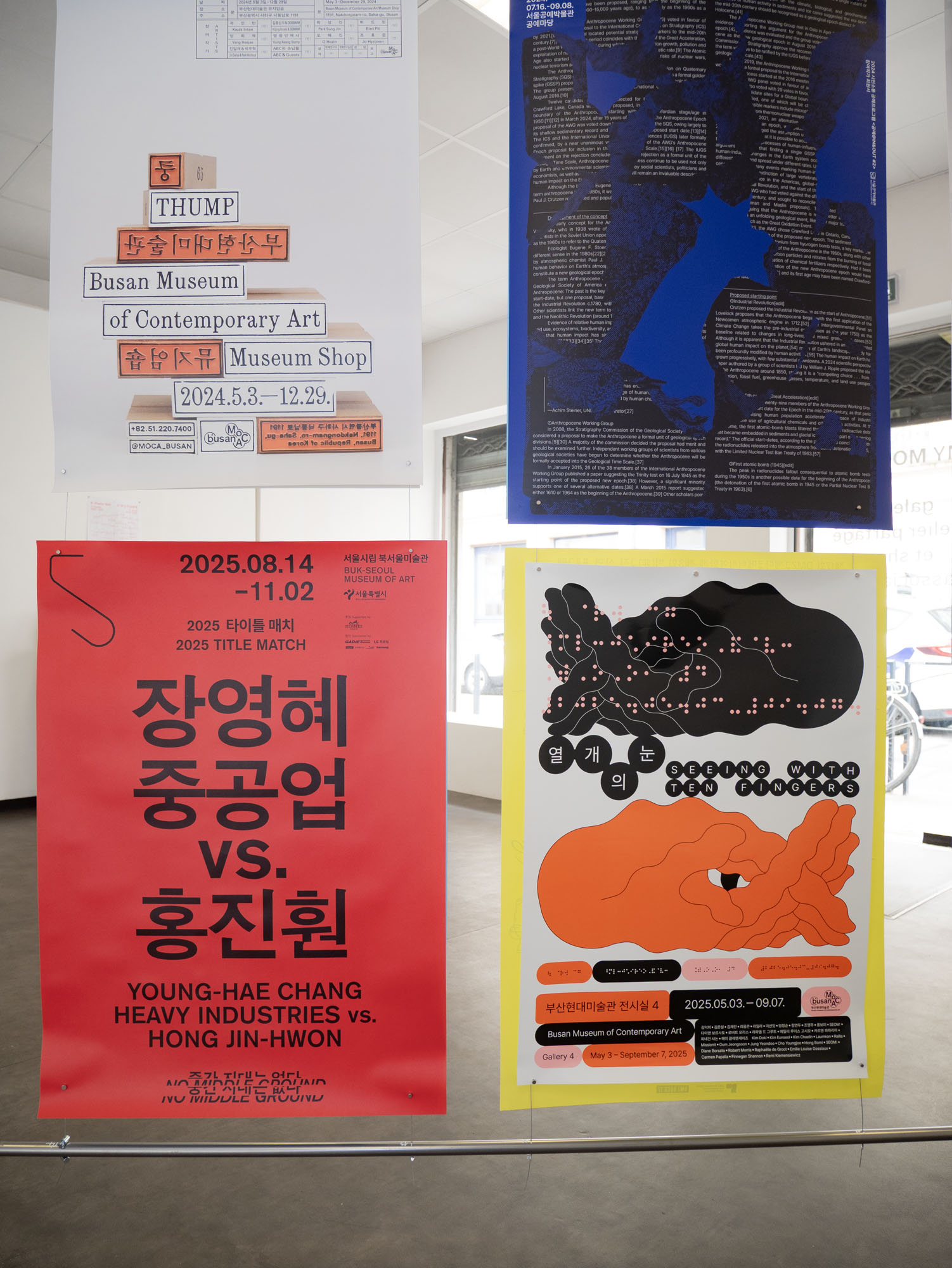
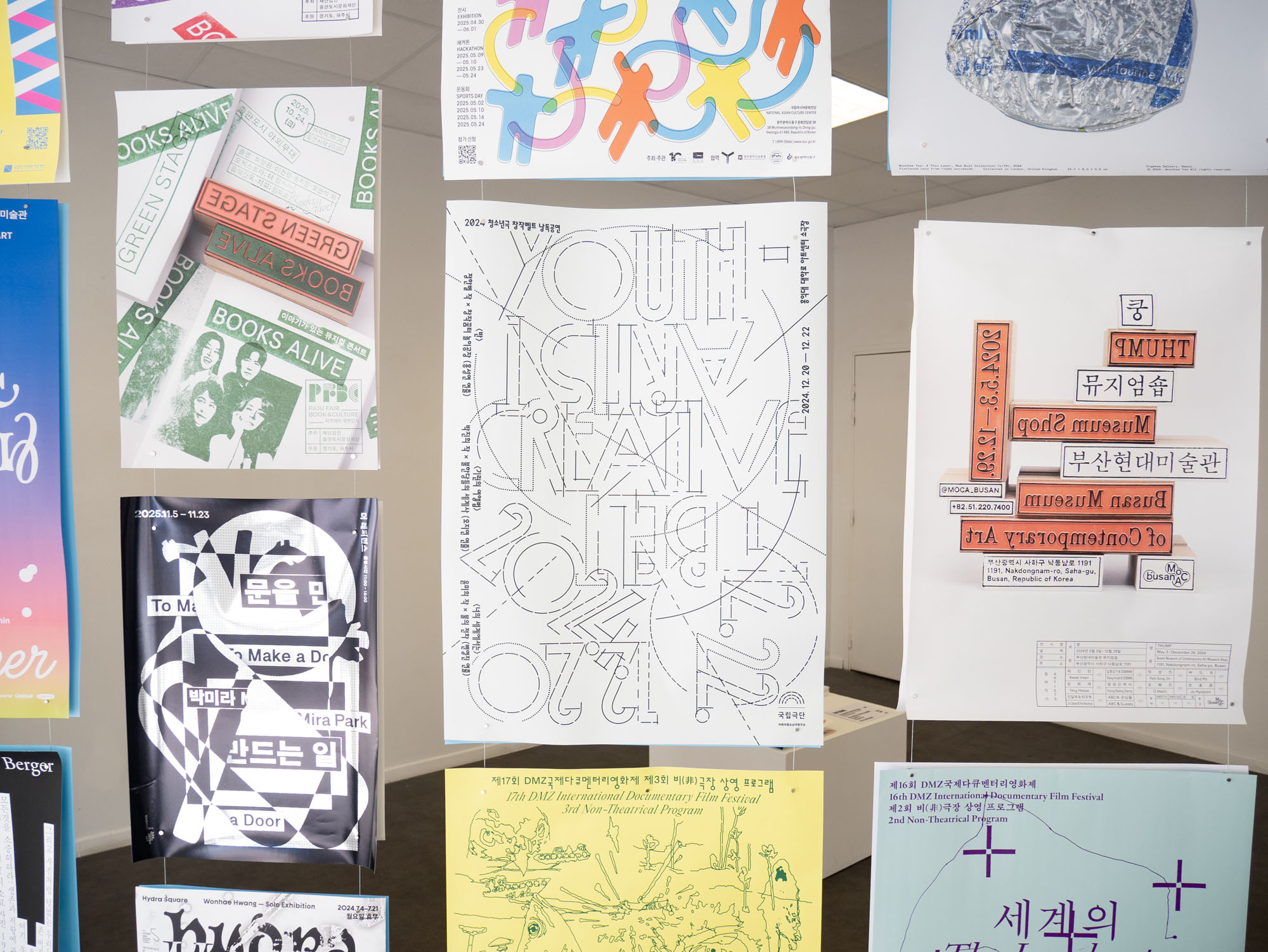
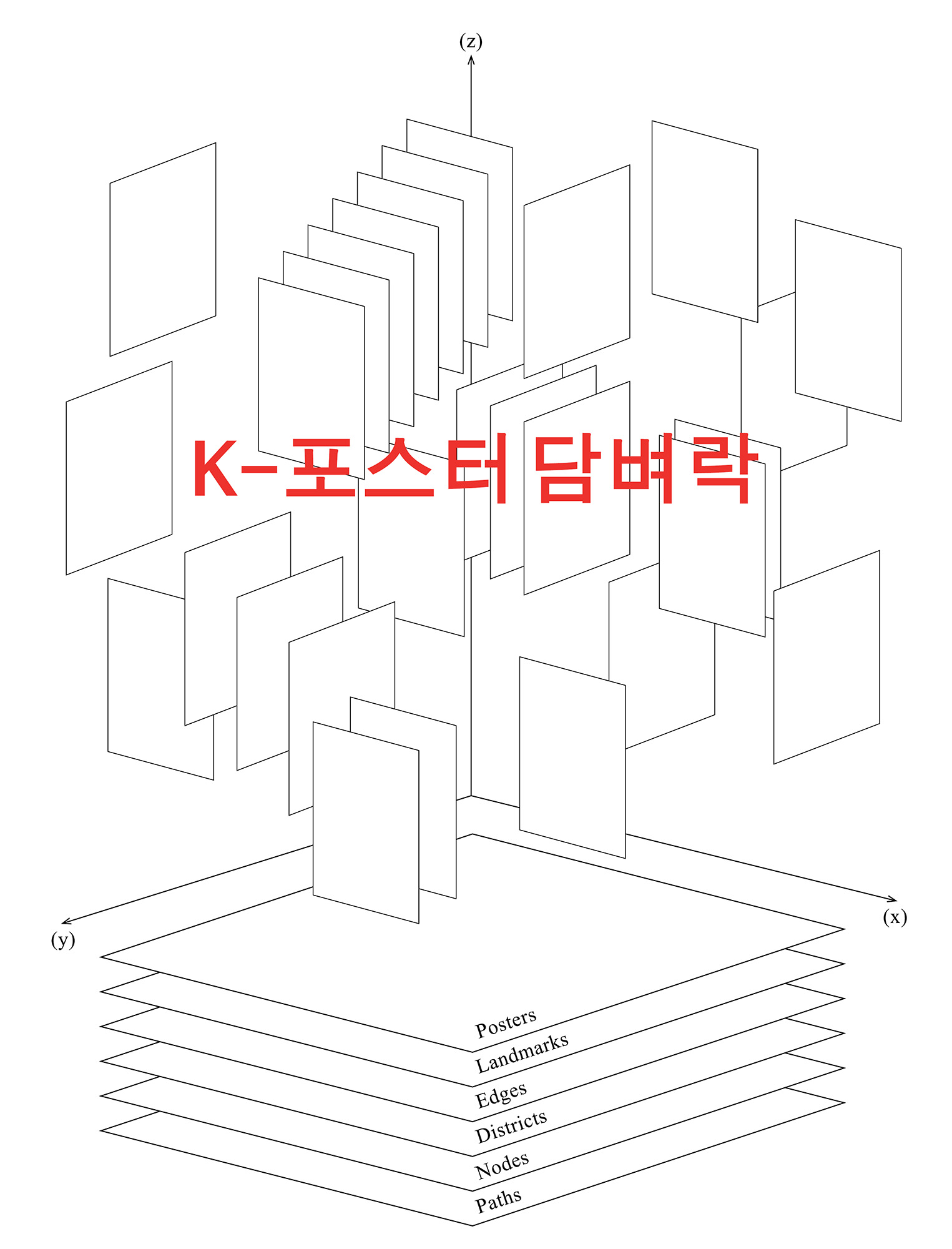
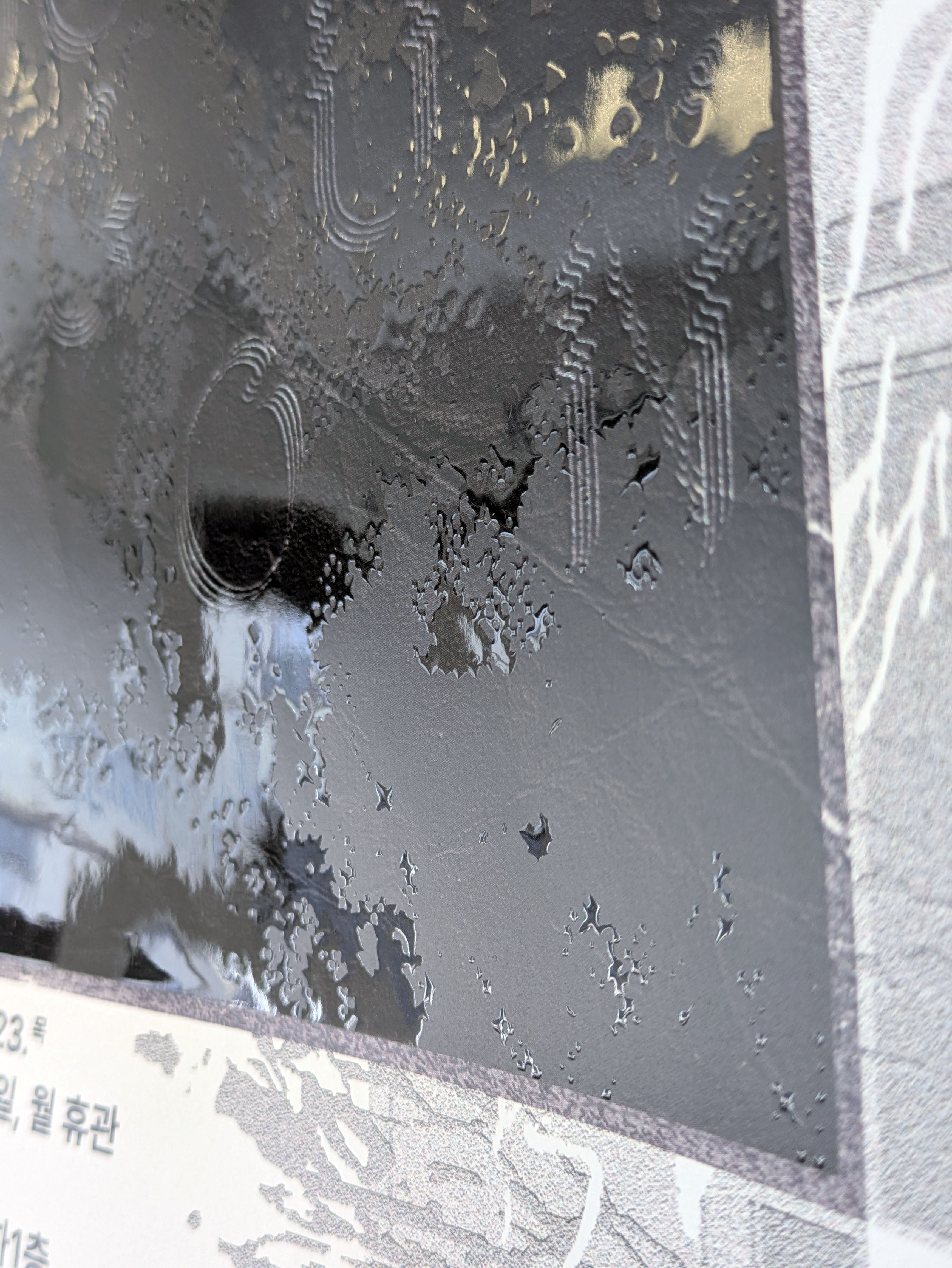
K-Poster Wall poursuit donc le travail de recherche Systems of Poster Series en le contextualisant dans l’écosystème contemporain sud coréen. Dans son premier développement, il constitue un espace de présentation dédié au sein du réseau social Instagram. Les affiches y sont présentées comme elles pourraient l’être sur un mur réel. Pour l’exposition à la galerie My monkey, le mouvement inverse est opéré, et ce mur virtuel réinvestit l’espace physique. Imprimées, les affiches retrouvent une matérialité et permettent une nouvelle expérience kinesthésique. En d’autres termes, K-Poster Wall ressuscite une espèce en voie d’extinction : l’affiche imprimée sud-coréenne.
Avec des affiches de :
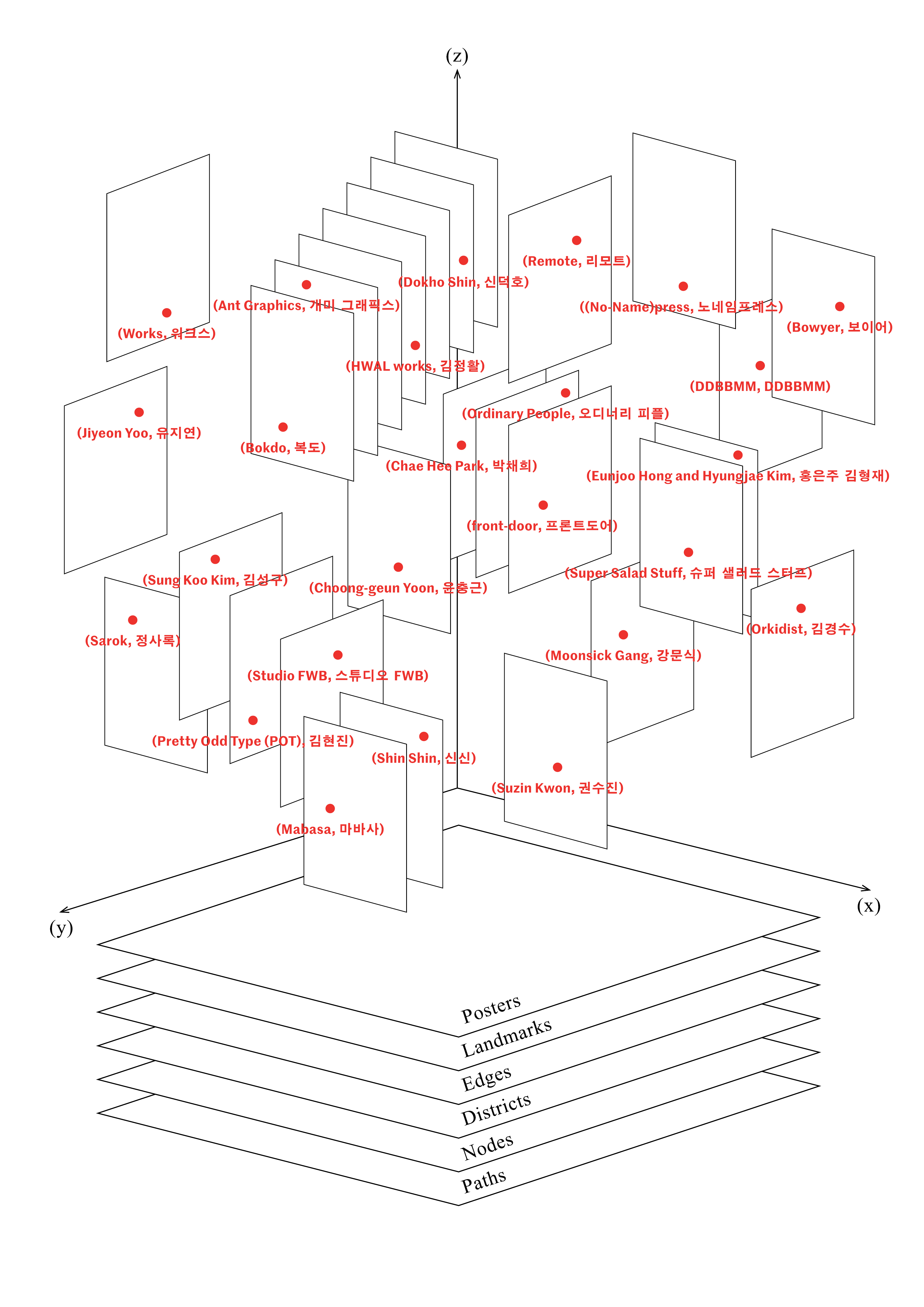
Ant Graphics, Bokdo, Bowyer, Chae Hee Park, Choong-geun Yoon, DDBBMM, Dokho Shin, front-door, HWAL works, Jiyeon Yoo, Mabasa, Moonsick Gang, (No-Name) Press, Ordinary People, Orkidist, Pretty Odd Type (POT), Remote, Sarok, Shin Shin, Studio FWB, Sung Kim, Super Salad Stuff, Suzin Kwon, Works, Eunjoo Hong and Hyungjae Kim.
Juhyun Kang dirige le studio de design graphique et la maison d’édition Occupy the City à Séoul. Il a publié Systems of Poster Series, un ouvrage issu de recherches consacrées aux séries d’affiches, ainsi que la revue typographique Typozimmer. Il enseigne actuellement la typographie et le design graphique à l’université.
EN
K-Poster Wall is a project conceived as a localized adaptation of the poster-series research initiative Systems of Poster Series, recontextualized within the contemporary Korean environment. “In Switzerland, wherever you stand in a city, you are surrounded by posters.” — Jiri Oplatek
Since 2020, research into poster series has expanded toward an investigation of the infrastructures that support posters within urban environments across different countries. A poster series can exist only within a city that sustains a functional poster infrastructure. Posters are not encountered solely by designers; rather, they are a visual language to which the majority of urban citizens are exposed in their everyday lives. This constant exposure shapes collective perceptions of posters among all participants involved in design-related collaborations. Poster series are conceived and produced within — and in response to — such environments.
What, then, happens in cities where this infrastructure no longer exists? Korea offers a clear example. From the late 1990s through the early 2000s, public bulletin boards and designated poster walls were commonly found throughout Korean cities. Over time, these structures gradually disappeared, a process that accelerated with the widespread adoption of smartphones. From the 2010s onward, and as of today in 2025, traditional poster infrastructure has become almost impossible to find on the streets of Seoul. With only a handful of highly restricted or symbolic exceptions, spaces once occupied by posters have been largely replaced by large-scale media walls. The media façades surrounding buildings near Samseong Station, later extending to areas such as Gwanghwamun, now function as a dominant visual communication infrastructure in Seoul, effectively substituting the role once held by posters.
At the same time, the sight of pedestrians walking through the city while absorbed in their smartphones has become entirely commonplace. In this context, poster infrastructure no longer exists primarily within the physical space of the street, but can instead be reimagined within the personal screen of the smartphone.
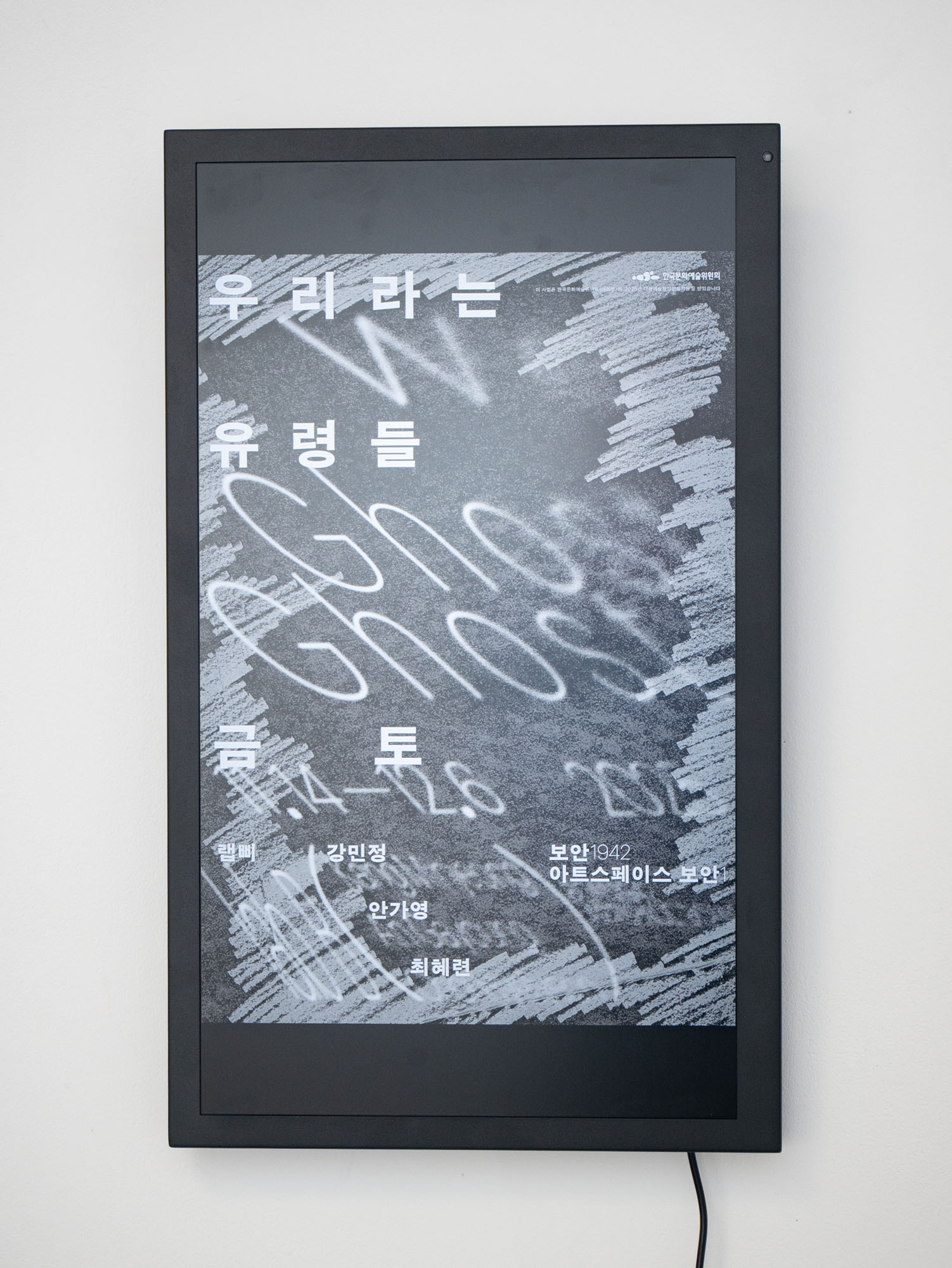
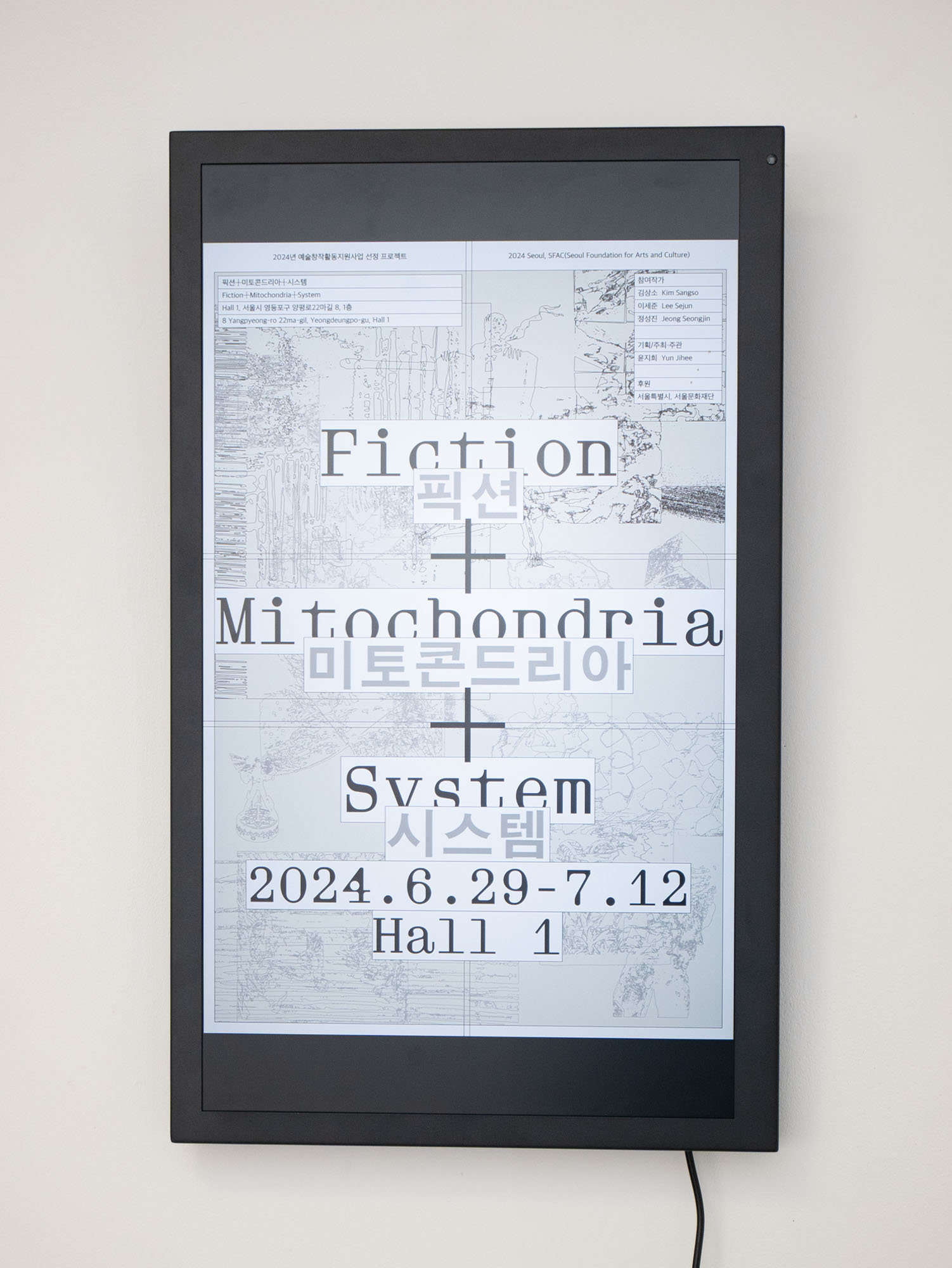
As an initial experiment, K-Poster Wall reconstructs a poster infrastructure within social media—specifically Instagram—reimagining the platform as a contemporary poster wall. Within this digital environment, posters created by graphic designers are arranged in ways that evoke posters affixed to the walls of a city.
The exhibition then brings this digital simulation back into physical space. Posters circulated on social media are re-materialized through printing and installed within the exhibition venue. Visitors are invited to experience the contemporary conditions of posters by moving between digital and physical environments. K-Poster Wall ultimately questions how the poster, as a medium, can persist, transform, and acquire new forms of material presence in a city where traditional poster infrastructures have disappeared.